
Bitumen Driveways
Spray-sealed bitumen driveways for homes and longer driveways, a cost-conscious alternative to hot-mix asphalt.
Learn More →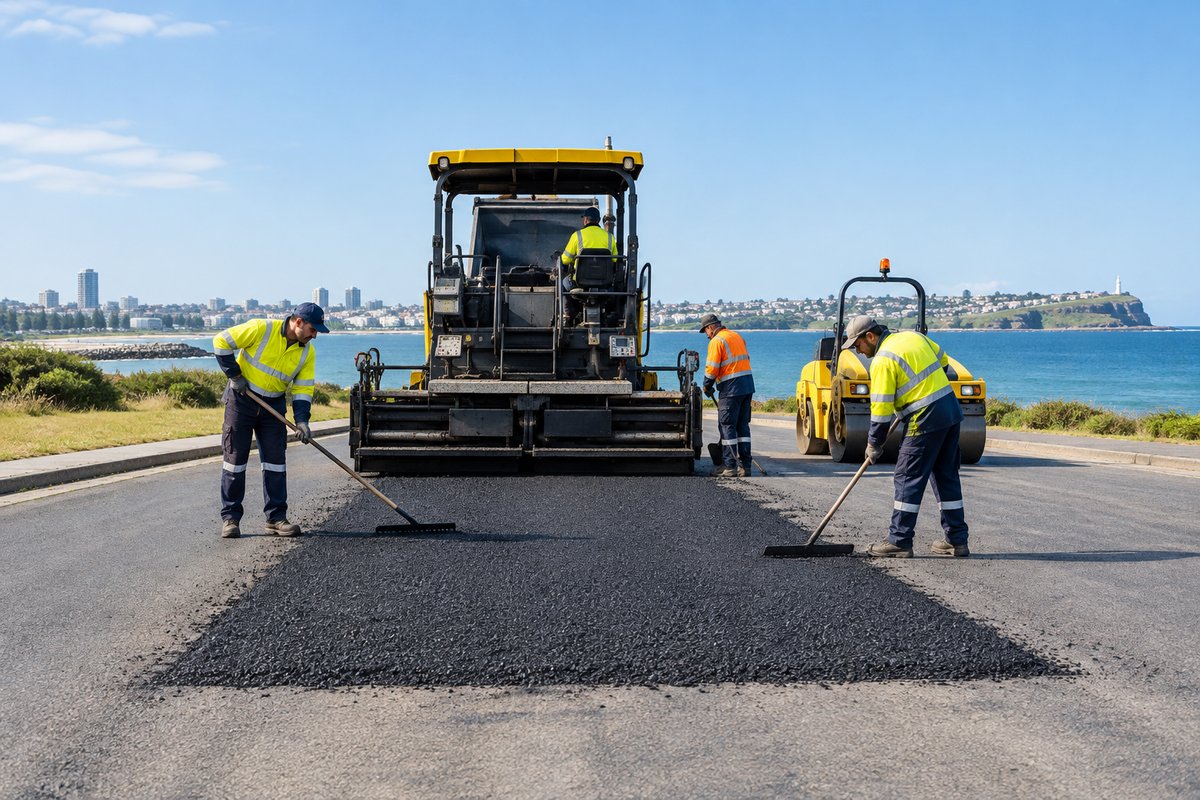
Resurfacing and repairs for cracked, potholed or worn asphalt and bitumen driveways and paved areas.
Request a Free Quote
Most tired asphalt doesn't need ripping up. If the base underneath is still sound, we can fix the problem areas and lay a fresh layer of hot-mix asphalt over the top. Failed sections get saw-cut square, dug out, re-based with compacted road base and patched with hot-mix. Then we spray a bitumen emulsion tack coat and roll a new wearing course over the whole surface. You end up with a driveway or car park that looks and drives like new, usually for less than full replacement.
Conditions in Newcastle are hard on bitumen. Summer sun oxidises the binder, so the surface turns grey and brittle and starts shedding stones. Then a summer storm or an East Coast Low pushes water into every crack and under the edges, and the base softens. Sandy coastal soils around Port Stephens and reactive clays out towards Maitland move in different ways. Parts of Newcastle and Lake Macquarie also sit over old mine workings. We look at all of this before deciding whether a patch, an overlay or a deeper base repair is the right fix.
Maybe it's a pothole by the garage that keeps coming back after every downpour. Maybe a gum tree root has lifted a ridge across the driveway, or delivery trucks have rutted the turning bay at your shop. We handle residential drives, strata driveways and commercial hardstands. Once a car park is resurfaced, we can come back with fresh line marking for bays, arrows and disabled parking. Larger sites can be upgraded through our car park and commercial asphalt work.
From saw-cutting failed sections to rolling the final hot-mix layer
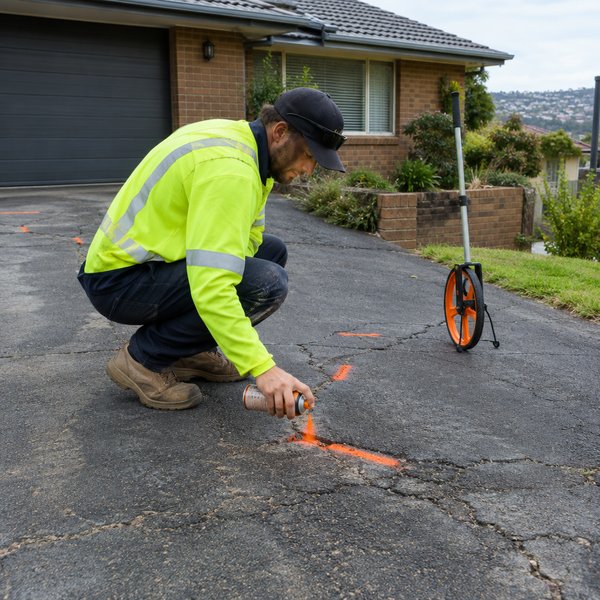
We walk the surface and probe soft spots to see whether the problem is on the surface or in the base. Cracks, potholes, ponding areas and root damage get marked out in spray paint. Then we explain whether a patch, an overlay or a deeper repair makes sense.
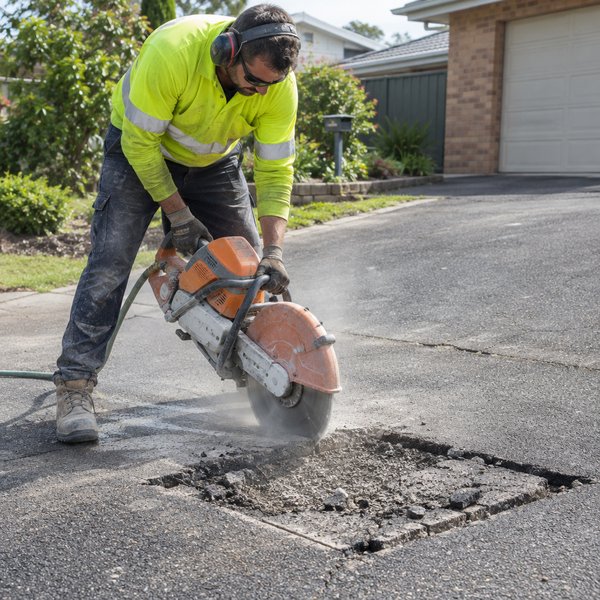
Failed sections are saw-cut into clean, square edges so the patch has solid walls to bond against. We dig out broken asphalt and soft material, cut back any intruding roots, and lay fresh road base compacted with a plate compactor or roller. This is the step that stops the same pothole coming back next wet season.
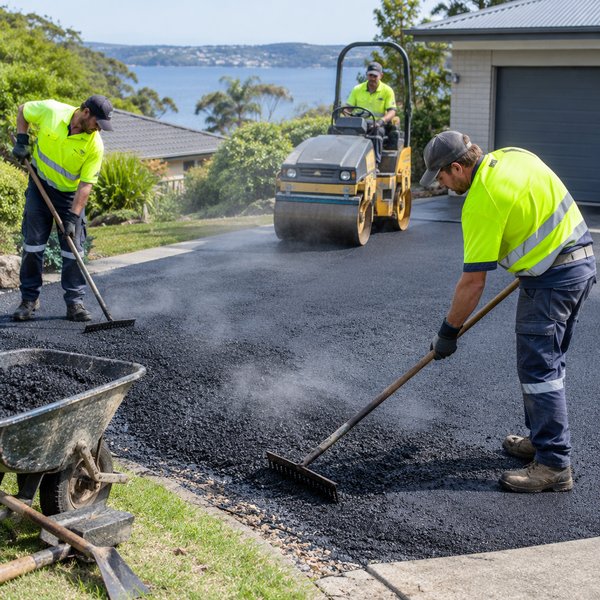
We spray a bitumen emulsion tack coat so the new layer bonds to the old surface and the patches. Hot-mix asphalt is then spread by paver or hand-laid with rakes on tight driveways, and compacted with a roller while it's still hot. Joints and edges get extra attention because that's where water tries to get in first.
We seal the joints where new asphalt meets kerbs, garage slabs and lawns, then trim and tidy the edges. The site is swept and spoil removed. Before we leave, we tell you when it's safe to drive on and how to avoid scuffing the fresh surface in hot weather.
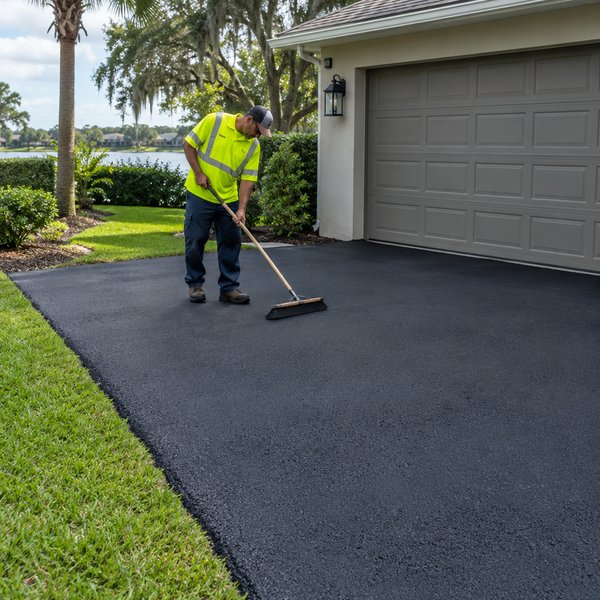
Practical results you'll notice after the next big storm
Sealed cracks and a fresh wearing course stop storm water seeping down into the road base. A dry base keeps its strength, so you get fewer potholes and soft spots forming after heavy Hunter rain.
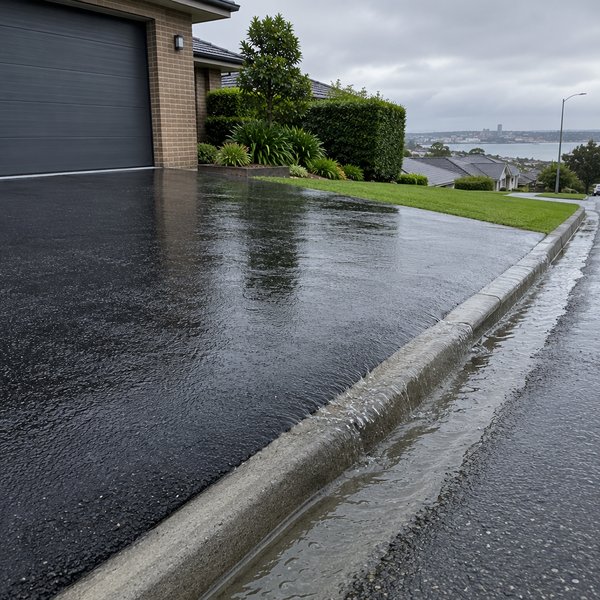
Trip hazards, root ridges and deep potholes get levelled out. That means no more jarring the car, catching a heel, or wheeling bins over broken edges. For strata and businesses, it also cuts the risk of someone getting hurt on site.
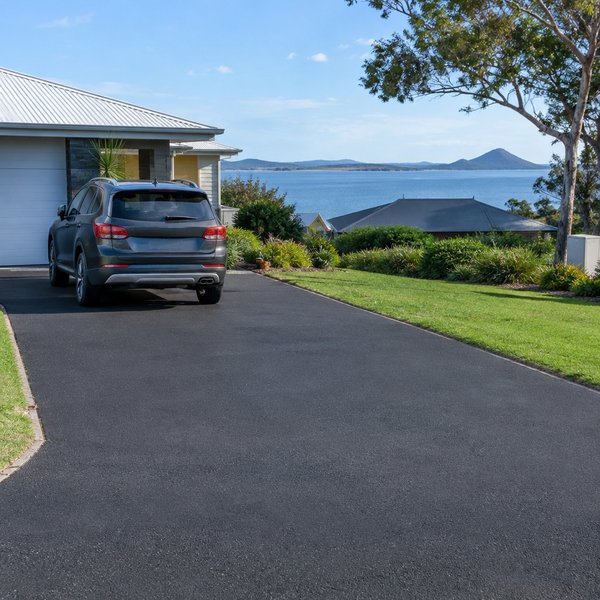
Resurfacing makes use of the sound pavement you already have, so you don't pay for full excavation and rebuild if it isn't needed. Fixing problems early also stops small cracks turning into a full replacement job.
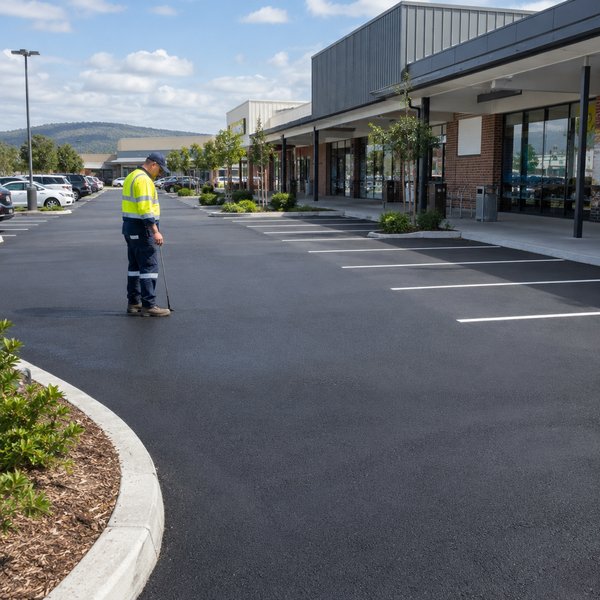
Most repeat potholes come from soft base, poor drainage or tree roots. We dig down to find out what failed and repair that, so you're not calling someone back after the next East Coast Low.
Sandy soils on the coast, reactive clays inland and old mine workings under parts of Newcastle and Lake Macquarie all behave differently. We factor that into base depth, compaction and drainage on every job.
Sometimes a few patches and crack sealing will buy you years. Sometimes an overlay is better value. We'll tell you which makes sense for your budget and your surface, not just the biggest job.
For strata, schools and businesses, we can resurface the car park and then re-mark bays and arrows. That means one contractor, one schedule and less disruption to residents or customers.
Common questions answered
If the base is firm and the problems are mostly on the surface, an overlay usually works well. If the driveway is sinking, cracked in a crocodile-skin pattern or soft underfoot, the base has failed and needs repair or replacement first. We check this on site and tell you straight which one you need.
The main factors are: The size of the area being resurfaced or patched How much failed base needs to be dug out and replaced Access for machinery, or whether the job must be hand-laid Drainage work or regrading needed to fix ponding Tree root removal and edge rebuilding We give you an itemised quote after inspecting the site.
Usually because the patch went into a hole without fixing the soft base underneath, or water is still getting in. Cold-mix bags from the hardware store are a stopgap and often wash out in the next storm. We saw-cut, re-base and patch with hot-mix so the repair is solid all the way down.
It depends on the weather and the thickness of the layer, because hot-mix needs time to cool and firm up. We'll give you a clear answer on the day. On hot Newcastle summer days, avoid turning the steering wheel while stationary for a while, as that can scuff the fresh surface.
We don't lay hot-mix in rain or on a wet surface, as it won't bond or compact properly. If a storm rolls through, we reschedule rather than risk a poor result. Crack sealing also needs a dry surface, so we plan around the forecast.
We provide Asphalt Resurfacing & Repairs throughout Newcastle, NSW and surrounding suburbs.
Don't see your area? Contact us to check if we service your location!
View All Areas