
Bitumen Driveways
Spray-sealed bitumen driveways for homes and longer driveways, a cost-conscious alternative to hot-mix asphalt.
Learn More →
Asphalt car parks, access roads and hardstand for businesses, strata complexes, churches, schools and industrial sites.
Request a Free Quote
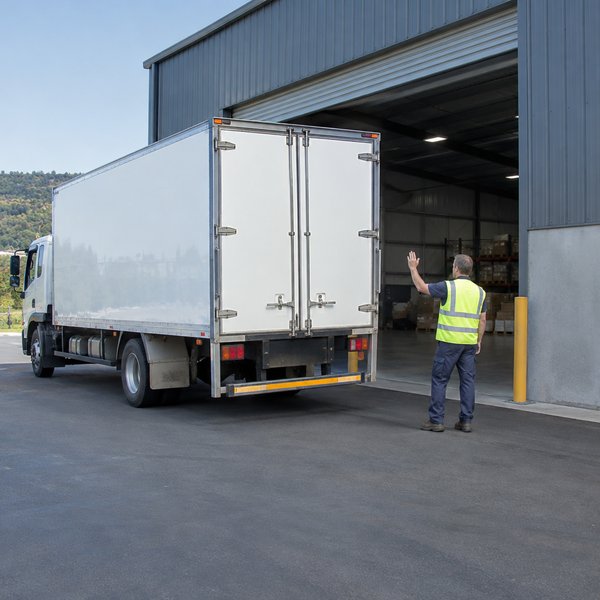
A car park takes a beating a driveway never sees. Delivery trucks turn on the spot, forklifts cross the same strip all day, and customer cars brake hard at the entry crossover. We build commercial pavements to handle that load. Each job starts with boxing out to a firm subgrade. We then lay and compact crushed rock road base in layers and finish with machine-laid hot-mix asphalt, rolled with steel drum and pneumatic tyre rollers so the surface stays tight at joints and edges.
Local ground conditions shape every job. Parts of the Lower Hunter around Maitland sit on reactive clay that swells after rain and shrinks in dry spells, which cracks a pavement built on a thin base. Port Stephens sites are often sandy and need confinement and good compaction. Across Newcastle and Lake Macquarie, heavy east coast downpours can drop a lot of water fast. If the falls and stormwater pits are wrong, that water ponds, soaks into the base and starts potholes within a season or two. Summer heat softens asphalt under parked trucks, so we pick the mix to suit how the area will be used.
Picture a shopping strip car park with ponding near the entry, alligator cracking in the busiest bays and line marking you can barely read. Sometimes it needs a full rebuild. Often it doesn't. We can profile out the worn layer and lay a new wearing course, which is the type of work we do through our asphalt resurfacing and repairs service. Once the new surface is down, we finish the site with line marking for bays, arrows, pedestrian walkways and accessible parking. That way you deal with one crew from base to final paint.
Each layer is prepared, compacted and checked before the next goes down.
We mark out levels and falls, then excavate to firm ground with an excavator or profiler. The subgrade is proof rolled to find soft spots. Wet clay or unstable sections are dug out and replaced or stabilised before any base goes down.
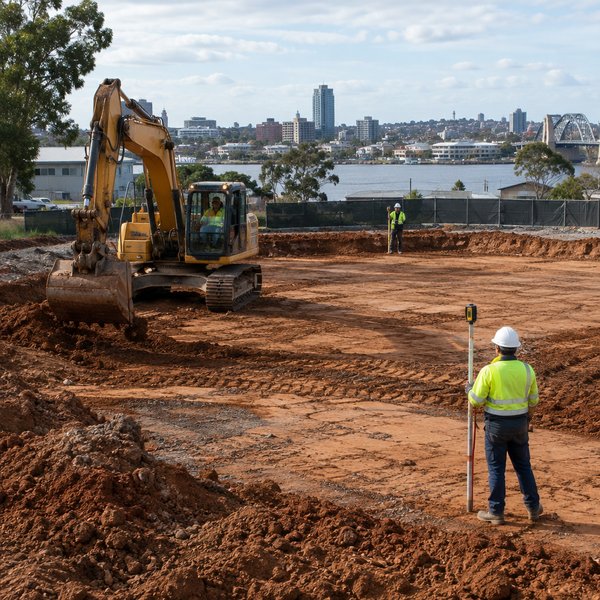
Crushed rock road base goes down in layers. Each layer is watered and compacted with a smooth drum roller. We trim the base to laser-checked levels so every section falls toward pits, drains or kerb outlets, and we install or adjust stormwater fittings at this stage.
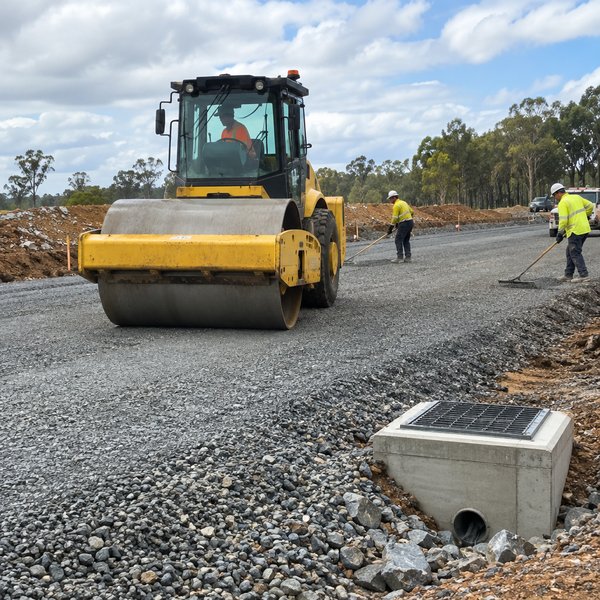
A bitumen tack or prime coat is sprayed to bond the asphalt to the base. The asphalt paver then lays hot-mix at a consistent depth while the crew hand-works edges, pits and kerb lines. Steel drum and multi-tyre rollers compact the mat before it cools, with extra attention on longitudinal joints.

We seal joints against existing concrete, tidy the kerb edges and check that water runs to the pits. Once the asphalt has cooled and cured enough, we mark out bays, arrows, walkways and accessible parking. We then clean up the site and hand it back ready for traffic.
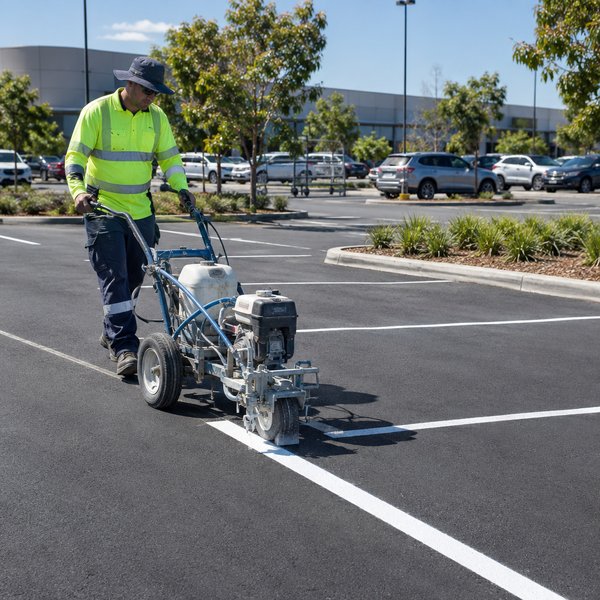
Better drainage, tougher wearing surfaces and clearer traffic flow for customers, staff and deliveries.
With falls set to pits and kerb outlets, storm water leaves the surface rather than sitting in bays and soaking into the base. That means fewer puddles for customers and staff to walk through. It also means less of the water damage that turns small cracks into potholes.
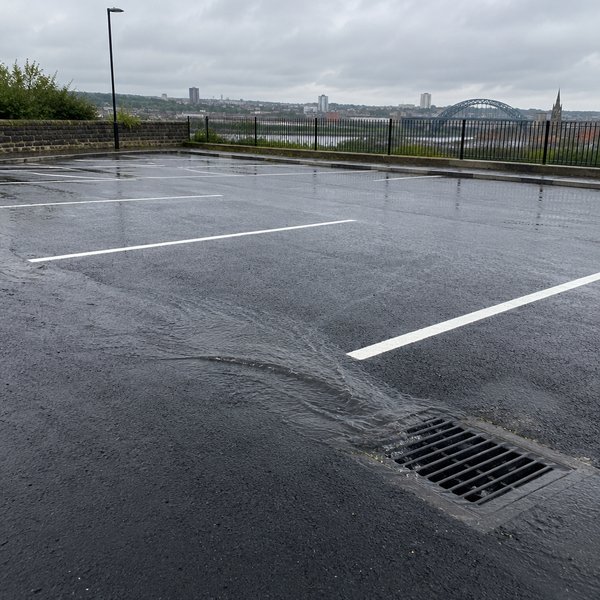
A properly compacted base and the right asphalt mix spread heavy wheel loads so the surface resists rutting, shoving and cracking where vehicles turn and brake. Loading zones and entry crossovers hold their shape longer. You spend less time and money patching the same high-traffic spots.
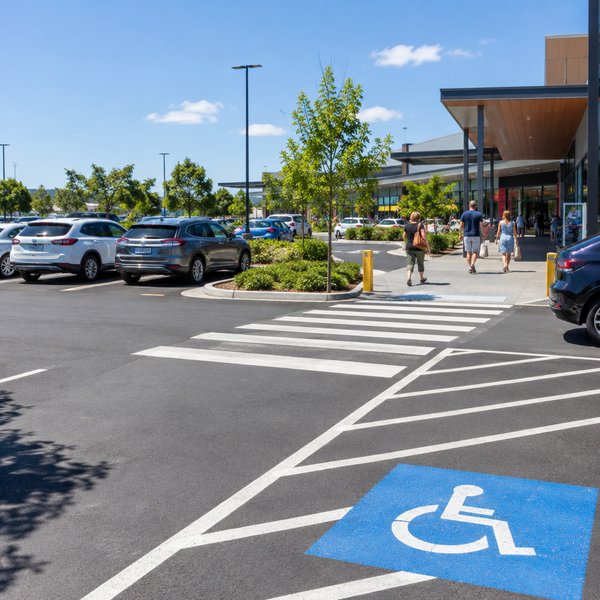
A smooth, even surface with fresh line marking makes it obvious where to park, drive and walk. Trip hazards from broken edges and potholes are removed. Accessible bays, pedestrian crossings and directional arrows help traffic flow and help you meet your site obligations.
Reactive clay around Maitland, sandy ground in Port Stephens and filled sites across Newcastle all behave differently under load. We assess the subgrade before we price the job and adjust excavation depth and base design to suit. That's what stops a pavement cracking within a few years.
We set falls to pits and outlets before the asphalt is ordered, not as an afterthought. With the heavy downpours Newcastle gets, water control decides how long a car park lasts. We check flow paths on the base and again on the finished surface.
We handle the earthworks, road base, hot-mix asphalt and line marking ourselves. You aren't coordinating several trades or waiting between contractors. Strata managers and business owners get one point of contact for the whole job.
We understand that a closed car park costs you customers or deliveries. We plan staging, traffic control and access with you before we start. We also keep the work area tidy and safe for anyone still using the site.
Common questions answered
Often, yes. We can split a car park into sections and complete them one at a time, so part of the site stays open while we work. We'll talk through your busy periods, delivery times and access points when we look at the job and plan a sequence around them.
The main cost drivers are: the total area and how many sections it has to be split into the condition of the subgrade and how much stabilisation it needs the depth of base and asphalt required for the traffic, from cars through to trucks drainage work such as new pits, pipes or kerb outlets access for trucks and machinery line marking and signage We price each site after an inspection so the quote reflects what is actually there.
It depends on the traffic and the ground underneath. A staff car park on firm ground needs much less pavement than a hardstand carrying semi-trailers on soft Hunter clay. We look at vehicle types, how often they use the area and the subgrade condition, then set the base and asphalt depths to suit.
If the base is still sound, profiling the worn top layer and laying a new asphalt wearing course is often the most practical option. Widespread alligator cracking, deep ruts or areas that pump water when cars drive over them usually point to a failed base, and those sections need digging out and rebuilding first. We'll show you which parts fall into each category.
Keep stormwater pits and drains clear of leaves and silt, especially before the wetter months, so water doesn't back up onto the pavement. Seal small cracks early before rain gets into the base. Refresh line marking when it fades, and get potholes patched quickly rather than waiting for them to spread.
We provide Car Parks & Commercial Asphalt throughout Newcastle, NSW and surrounding suburbs.
Don't see your area? Contact us to check if we service your location!
View All Areas